
Pompeii
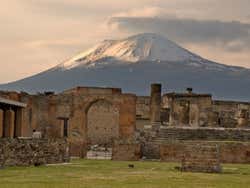
Pompeii was an ancient Roman city near modern Naples that was buried by the great eruption of Mount Vesuvius in 79 AD.
Pompeii was the ancient city of Rome that was totally destroyed in the eruption of Mount Vesuvius in the year 79 AD.
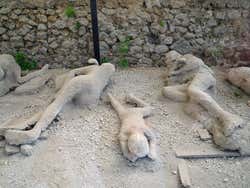
Since it was engulfed so quickly by a wall of volcanic mud, the city is extremely well preserved. Pompeii still has most of its buildings, streets, and even the volcano’s victims who died instantly and are preserved in ash.
The Tragic Story of Pompeii
The city is believed to have been founded by the Osci or the Oscans during the seventh century BC. Over the years the city prospered and grew with villas, monuments, and gardens. Pompeii was thriving when in 62 AD it was hit by a severe earthquake, damaging the city.
While the city’s inhabitants were still reconstructing the city after the earthquake, as it's believed that almost all the buildings had been affected, in 79 AD a tragic event that would annihilate the town completely took place. On 24 August, Mount Vesuvius erupted covering Pompeii in ash. On the following morning, a river of volcanic mud enveloped the city.
The remains lay forgotten until they were rediscovered in the sixteenth century. Excavations of Pompeii began in 1748 and over 45 hectares have since been unearthed.
What to see
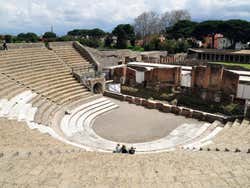
Pompeii is very large, and tourists can visit numerous buildings in which residents went about their everyday lives, including some temples, the basilica, the forum, and baths, as well as some of the most lavish homes decorated with frescoes and mosaics.
One of the most unusual buildings is the Lupanar, a brothel containing rudimentary stone beds as well as frescoes with erotic images.
Many of the archaeological remains, including many of the bodies buried under layers of ash, are preserved in the Horrea and Olitorium.
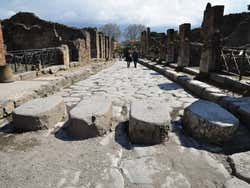
Visitors will be able to see how the citizens would cross the roads using enormous stone crosswalks so that they wouldn’t get muddy.
Heart-stirring
Pompeii was a fascinating city and it's surprising to find it so well preserved. The town seems to still be inhabited since most of the buildings are just as they were when the volcano erupted. Even the paintings, frescoes, and other decorative elements of the houses are intact.
Probably one of the most hair-raising parts of the visit is the display of the victims of the explosion, which depicts the terror they felt seconds before dying.
Getting to Pompeii
The three main ways to get to Pompeii from Rome are:
- Booking a guided tour: This is the easiest way of getting to Pompeii. It includes a hotel pickup, transport there and back, a guided tour in English, admission tickets, and food.
- Train: To get to Pompeii by train visitors will have to take a train from Termini station to Naples, and once there, take the Circumvesuviana line to Pompeii. It can take between 2 and 3 hours to get there. The price can vary from € 30 (US$ 34.27) and € 100 (US$ 114.25) for a return trip, depending on the train you choose to take.
- Car rental: This is the cheapest option if you’re traveling with friends or family. However, keep in mind the price of the tolls, petrol and the time it takes to hire a car. We recommend this option to those who want to rent a car to visit other nearby cities.
Schedule
1 November – 31 March: Every day from 9 am – 5 pm
1 April – 31 October: Every day from 9 am – 7 pm
Price
Adults: € 22 (US$ 25.13)
EU Citizens (aged 18 – 25): € 2 (US$ 2.28)
EU Citizens: Youth (under 18) and Seniors (over 65): free entrance
Free entry on the first Sunday of the month (up to the maximum number of visitors)
Pompeii Day Trip € 159 (US$ 181.66)
Nearby places
Herculaneum (14.4 km)

